Supporters of Britain’s likely next prime minister are putting faith in longstanding friend James Purnell — hoping he will be the Goldilocks chief of staff: part bureaucrat, part strategist.
 Dan Bloom



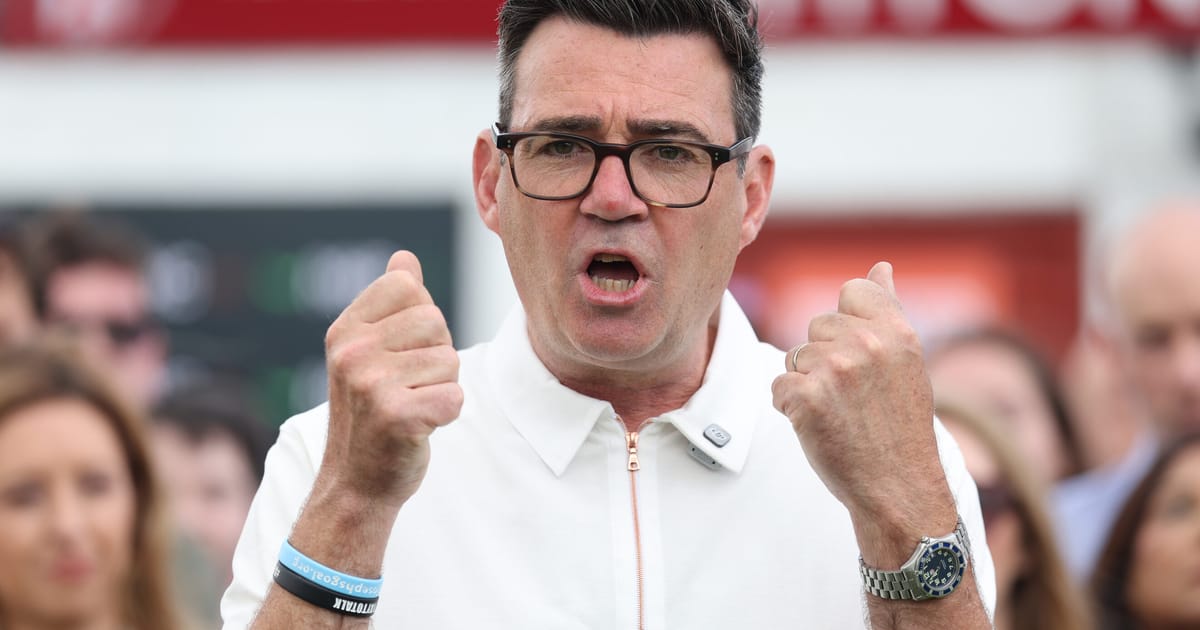
Purnell also privately regards welfare reform, divisions over which paved the road to Starmer’s downfall, as unfinished business. He suggested in 2011 that some pensioner benefits including winter fuel allowances and free bus passes should be deprioritized. The current Work and Pensions Secretary Pat McFadden, another Blairite of the 1990s set, spoke to Burnham about youth employment policies during his recent by-election campaign.
Purnell has changed since his 2009 resignation, said Blunkett. “People thought it was premature and slightly foolish,” he said. “I thought it was very brave. But he’ll have learnt a great deal from that — namely you don’t do anything unless you have first mapped out the landscape and your likely support.”
Allies of Burnham are now putting faith in Purnell’s managerial experience as a chief executive and hoping he will be the Goldilocks chief of staff: part bureaucrat, part strategist.
“He understands that you can’t have good politics without good policy, and you can’t have good policy without good politics,” said one former minister under Gordon Brown.
As is often the case when a powerful fixer lands a new job, POLITICO has been inundated by Labour figures of all factions competing to heap praise on Purnell. He was most often described as “thoughtful.” Other descriptors included “unshowy,” “constructive,” “warm,” “pragmatic” and “smart.” “He’s got dimensions,” said one former colleague. Woodcock added: “He genuinely wants to assess the foundational facts of a problem, then constructs a political way through on the basis of that.” One former No. 10 civil servant messaged simply: “Someone who knows how it works! Finally!”
But as with Burnham himself, it would be unwise for Whitehall or MPs to regard him as the messiah. Another former colleague of Purnell pointed out that his focus, just like Burnham’s, has always been heavily on domestic policy — while huge questions hang over the incoming PM’s foreign policy at a time of war.