



Government ministers have watered down the looming steel tariffs after manufacturers warned that the measures intended to safeguard Britain’s steelmakers would cause “immediate hardship” on downstream businesses. In a written statement to parliament, trade minister Chris Bryant confirmed the government would now slash the tariff-free steel import quota by 51
 Ali Lyon



Thursday 25 June 2026 12:18 pm | Updated: Thursday 25 June 2026 12:19 pm
Government ministers have watered down the looming steel tariffs after manufacturers warned that the measures intended to safeguard Britain’s steelmakers would cause “immediate hardship” on downstream businesses.
In a written statement to parliament, trade minister Chris Bryant confirmed the government would now slash the tariff-free steel import quota by 51 per cent, as opposed to the 60 per cent initially proposed.
But the overall level of the import duty, due to come into force from 1 July, will remain at 50 per cent under the rehashed plans despite a wave of warnings they risked hobbling the UK’s ailing manufacturing industry.
The government has also inked a deal with the European Union which “reflects the UK’s highly interconnected supply chains”, Bryant said in the same update. Both the UK and Europe have begun ratcheting up trade barriers to protect their domestic steel industries, prompting fears that the new high-tariff environment would choke off trade between the neighbouring markets.
Negotiators had been scrambling to agree on a carve-out to their tariffs as part of wider UK-EU reset talks that would safeguard their steelmaking capacities without kneecapping the manufacturers reliant free-flowing trade across the channel. The agreement announced on Thursday will be built on at future talks, Bryant added.
#mc_embed_signup { background: #fff; clear: left; font: 14px Helvetica, Arial,sans-serif; width: 100%; max-width: 600px; margin: 20px 0; } #mc-embedded-subscribe-form { margin: 20px 0 !important; } .newsletter-form-flex { display: flex; gap: 0; align-items: center; margin-top: -10px; } .newsletter-form-flex input[type=”email”] { flex: 1; padding: 2px 10px; border: 1px solid rgb(18, 22, 23) !important; border-radius: 12px 0 0 12px !important; } .newsletter-form-flex input[type=”submit”] { padding: 4px 10px !important; margin: 0 !important; background-color: rgb(18, 22, 23) !important; color: rgb(255, 255, 255) !important; border: 1px solid rgb(18, 22, 23) !important; border-radius: 0 12px 12px 0 !important; } .newsletter-banner-content { margin-bottom: 15px; } .newsletter-banner-content h2 { margin: 0 0 10px 0; font-size: 18px; font-weight: 600; } .newsletter-banner-content p { margin: 0 0 10px 0; line-height: 1.5; } .newsletter-banner-content ul, .newsletter-banner-content ol { margin: 0 0 10px 20px; } .newsletter-banner-content a { color: #0073aa; text-decoration: none; } .newsletter-banner-content a:hover { text-decoration: underline; } .newsletter-banner-content img { max-width: 100%; height: auto; margin: 10px 0; } #mc_embed_signup #mce-success-response { color: #0356a5; display: none; margin: 0 0 10px; width: 100%; } #mc_embed_signup div#mce-responses { float: left; top: -1.4em; padding: 0; overflow: hidden; width: 100%; margin: 0; clear: both; }
Ministers hope the suite of incoming measures will protect the country’s endangered producers from a glut of cheap Chinese supply poised to flood the market and undercut local producers.
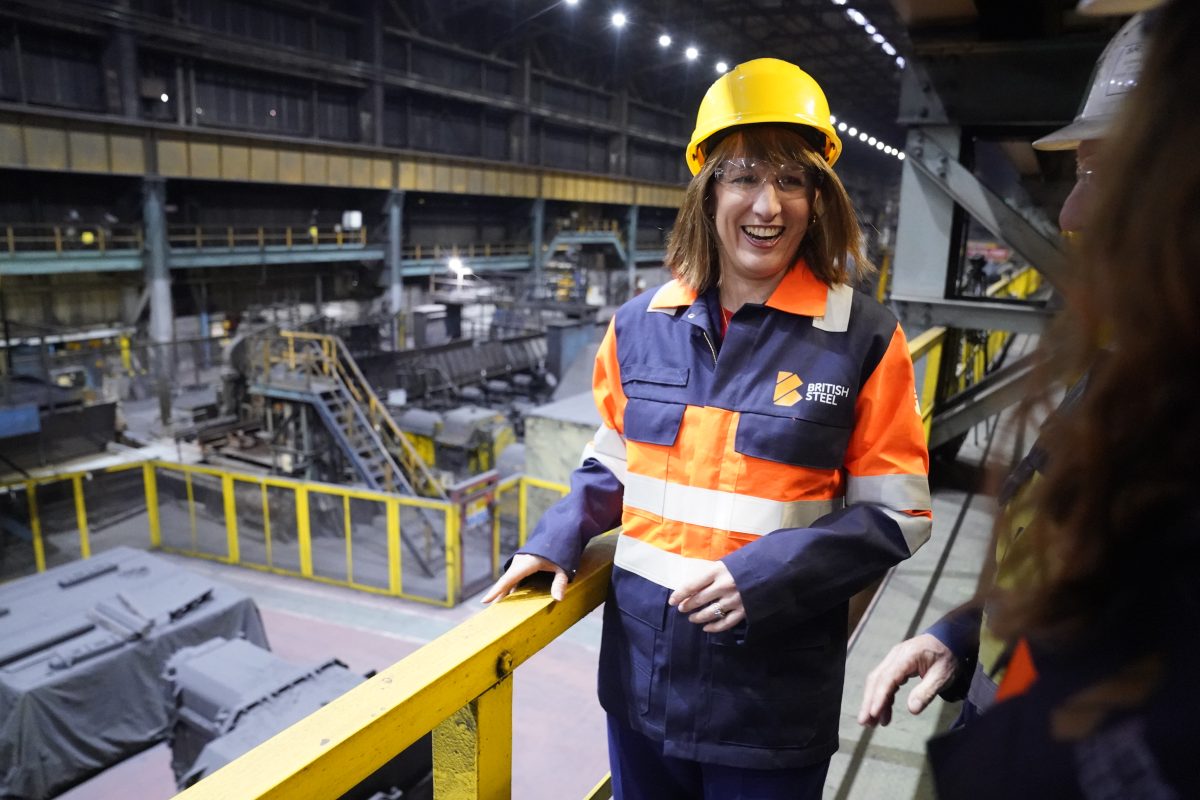 The government published its delayed steel strategy in March (Photo by Danny Lawson – WPA Pool/Getty Images)
Under the new rules, just 3.2m tonnes of steel can be imported into Britain, after which all imports will be subject to a 50 per cent levy. As part of the same announcement, the government also said 11 specific types of steel will be exempt from the measures, caving to panicked demands from industry about an absence of local alternatives.
William Bain, head of trade policy at the British Chambers of Commerce (BCC), said the diluted measures were a “welcome tilt towards the needs of the UK’s downstream steel users”.
“But the government is walking a precarious tightrope in trying to balance the needs of steel producers and users and its hand has been forced by the actions of other global players,” he added. “There will still be many losers. The government has committed to review these measures in a year’s time but should act more quickly if firms face severe financial distress.”
The BCC, which is the UK’s largest industry body, had spearheaded a combative rearguard action against the initial draft, which it had warned would cause “immediate hardship” for the carmaking and construction sectors.
The government sees domestic steel producers as an essential ingredient for the efficacy of critical national infrastructure like the Sizewell C nuclear power station and defence industries. Its measures reflect similar erection of trade barriers in the past year from other markets, including Europe and the US.
Donald Trump introduced the steel duties as part of his first wave of tariffs last year, while the EU’s response will come into force in July at the same time as the UK’s countermeasuers.
Read more UK manufacturers facing ‘steel quota cliff edge’
Similarly tagged content: Sections Categories People & Organisations