Cameras have caught reckless drivers in North Macedonia’s capital Skopje and reduced the number of accidents, but they have not solved deeper road safety problems.
 Jasmina Jakimova



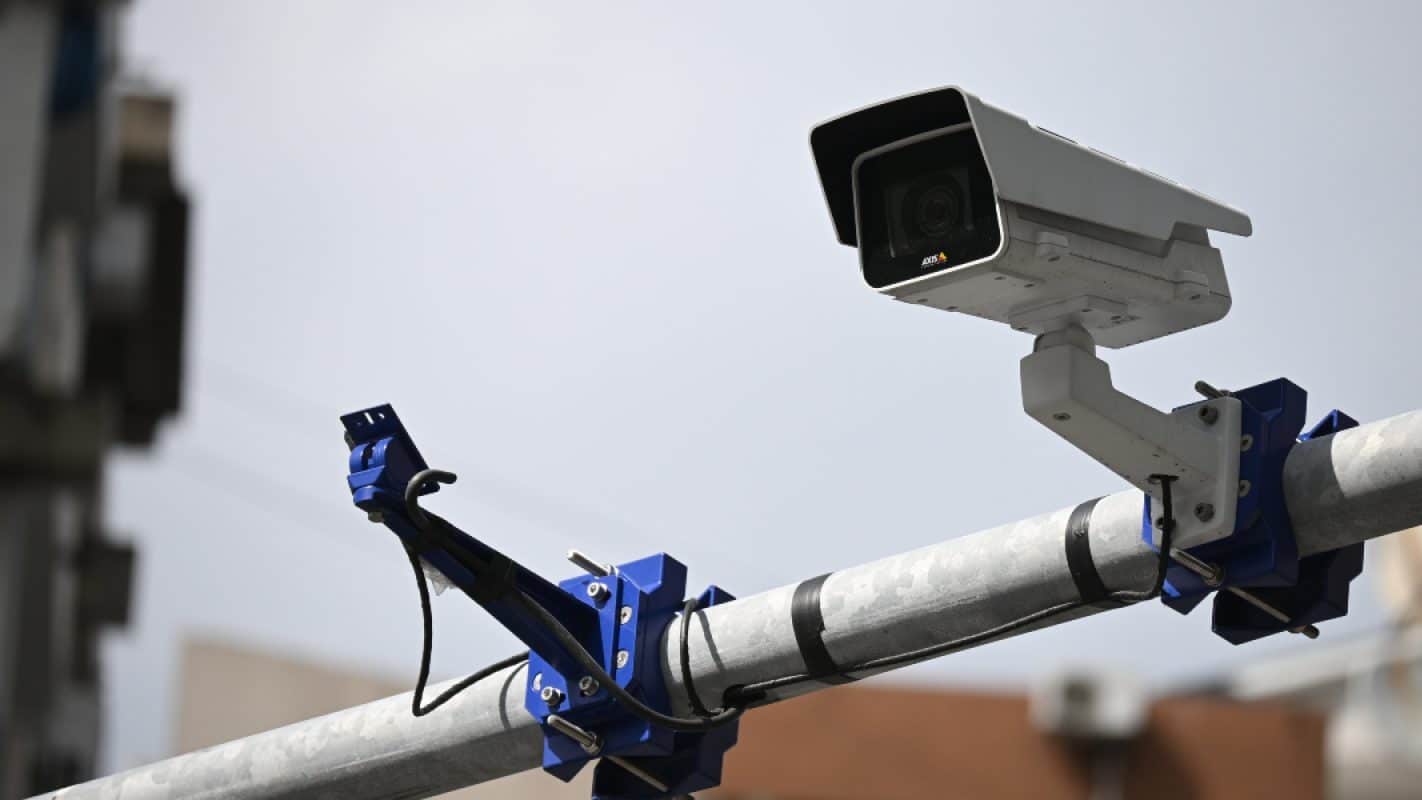
While Interior Minister Pance Toskovski, in early June, boasted on television that the introduction in February of the Safe City automated traffic monitoring and enforcement system had led to a major reduction in traffic fatalities, some residents of Butel, on the outskirts of Skopje, were returning home from a protest.
The protesters had blocked traffic to demand a stronger police presence and an end to reckless driving after a child was hit on their street. No Safe City cameras have been installed on their section of Butelska Street. The nearest cameras are half a kilometre further down, meaning drivers often let loose because they know they will not be recorded.
The Safe City system uses a network of cameras to detect traffic violations and automatically issue fines.
Several months after the official launch, BIRN analysed the initial results, as well as the problems facing the project, which has been designated as the main tool for dealing with traffic chaos. Traffic deaths claim more than 100 lives every year in the country of 1.8 million residents, with 123 deaths last year and 142 in 2024.