



British BioTech startup Houdini Bio has exited out of stealth today with approximately €1.7 million (£1.5 million) in pre-Seed funding in order to validate its DNA sequence design infrastructure platform – engineered to overcome the biological barriers limiting genetic medicines. The round was led by SCVC (the venture arm of Science
 David Cendon Garcia



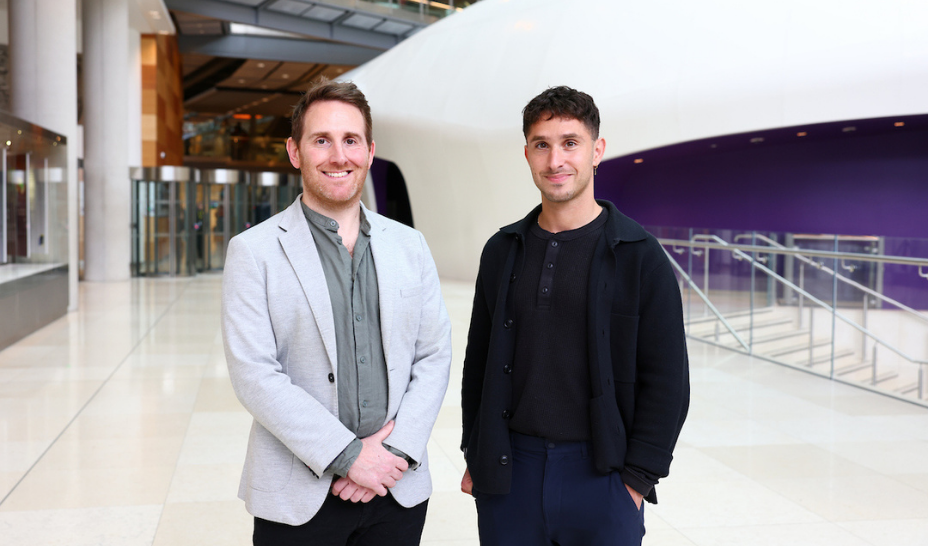
British BioTech startup Houdini Bio has exited out of stealth today with approximately €1.7 million (£1.5 million) in pre-Seed funding in order to validate its DNA sequence design infrastructure platform – engineered to overcome the biological barriers limiting genetic medicines.
The round was led by SCVC (the venture arm of Science Creates), with participation from Deep Science Ventures and the University of Cambridge (Cambridge Enterprise VC). The combined funding enabled Houdini Bio to rapidly validate its technology and achieve projected technical milestones in a third of the predicted time.
“The industry has made incredible strides, proving genetic medicines can cure previously untreatable diseases, but cellular machinery still rejects these therapies, limiting long term effectiveness and forcing costly, unsafe doses,” says Jonathan Cohen-Gold, CEO and co-founder of Houdini Bio.
“Our platform introduces a vital shift from trial-and-error screening to repeatable, engineering-driven DNA design. By discovering the molecular rules which allow sequences to escape HUSH, we can rewrite therapeutic DNA to clear cellular checkpoints. We are providing the missing link between these incredible medicines, the market and the patients who need them.”
Houdini Bio’s pre-Seed sits at the very early end of a 2026 European BioTech funding continuum where capital is increasingly flowing into platform technologies that remove bottlenecks in drug development rather than single therapeutic assets.
2026. activity suggests that investors are backing infrastructure-layer BioTech companies -spanning AI-driven molecule design (Ternary Therapeutics), gene and cell therapy manufacturing optimisation (Tozaro), and synthetic biology platforms (Primogene).
Houdini Bio fits into this same ‘enabling layer’ trend, but is positioned more upstream than most peers by focusing on DNA sequence engineering to bypass cellular silencing mechanisms, rather than downstream manufacturing or specific disease indications.
Geographically, the strongest clustering appears in the UK (London and Cambridge-adjacent ecosystems), where multiple rounds above €4 million – €20 million indicate sustained depth in AI-enabled BioTech infrastructure.
Continental Europe shows a parallel trend in Germany, France, Switzerland, and the Netherlands, particularly in synthetic biology and immunotherapy platforms.
“Gene therapies really do represent the future of medicine, but they are stuck behind an invisible commercial and biological bottleneck,” adds Harry Destecroix, Founder and Managing Partner of SCVC. “Houdini Bio represents the exact type of DeepTech infrastructure the ecosystem needs. Solving DNA silencing at the biological root transforms long term efficacy and unit economics, revolutionising the commercial and treatment benefits of gene and cell therapies alike. We are thrilled to back a skilled, ambitious team turning complex biology into a truly usable and scalable solution.”
Founded in 2025, Houdini Bio is a DeepTech BioTech company providing the critical enabling infrastructure for next-generation genetic medicines.
By combining machine learning with a mechanistic understanding of cellular silencing pathways, Houdini Bio’s DNA rewiring toolkit reportedly allows therapy developers to maximise transgene expression, durability and scalability – transforming outcomes for patients suffering from blindness, cystic fibrosis, haemophilia, dementia, cancer and more.
While gene and cell therapies are progressing rapidly, the company says their real-world impact is held back by a fundamental biological hurdle: the human cell often mistakes therapeutic DNA for a viral invader.
To protect itself, the cell triggers natural defenses that ‘silence’ the medicine. This premature shutdown limits the treatment’s long term effectiveness, drives up manufacturing costs and demands high doses which can cause dangerous immune reactions in patients.
Houdini Bio aims to solve this problem at the level of the genetic code itself. By combining machine learning with a deep understanding of cellular defences – specifically a master silencing mechanism known as the Human Silencing Hub (HUSH) complex – Houdini Bio has created a toolkit to re-engineer therapeutic DNA.
This approach gives the medicine a genetic camouflage, preserving its medical purpose while making it invisible to the cell’s defences. The platform uses advanced sequence design to reliably boost gene expression output by more than 10-fold compared to current state-of-the-art methods, ensuring therapies work more efficiently, at lower doses, for longer.
“Translating the discovery of the HUSH complex into a predictive engineering toolkit is a massive leap forward for translational biology,” says Tom Payne, Chief Operating Officer of Laverock Therapeutics and Houdini Bio advisor. “Houdini Bio’s ability to decipher the rules and mechanisms of HUSH and apply them to synthetic biology resolves a multi-decade challenge in molecular medicine, allowing transgenes to predictably escape host repression for the first time.”
The company says they will maintain momentum to expand its team and scale co-development partnerships with pharma companies, DeepTech innovators and pioneering developers looking to integrate anti-silencing technology into next-generation drug pipelines.