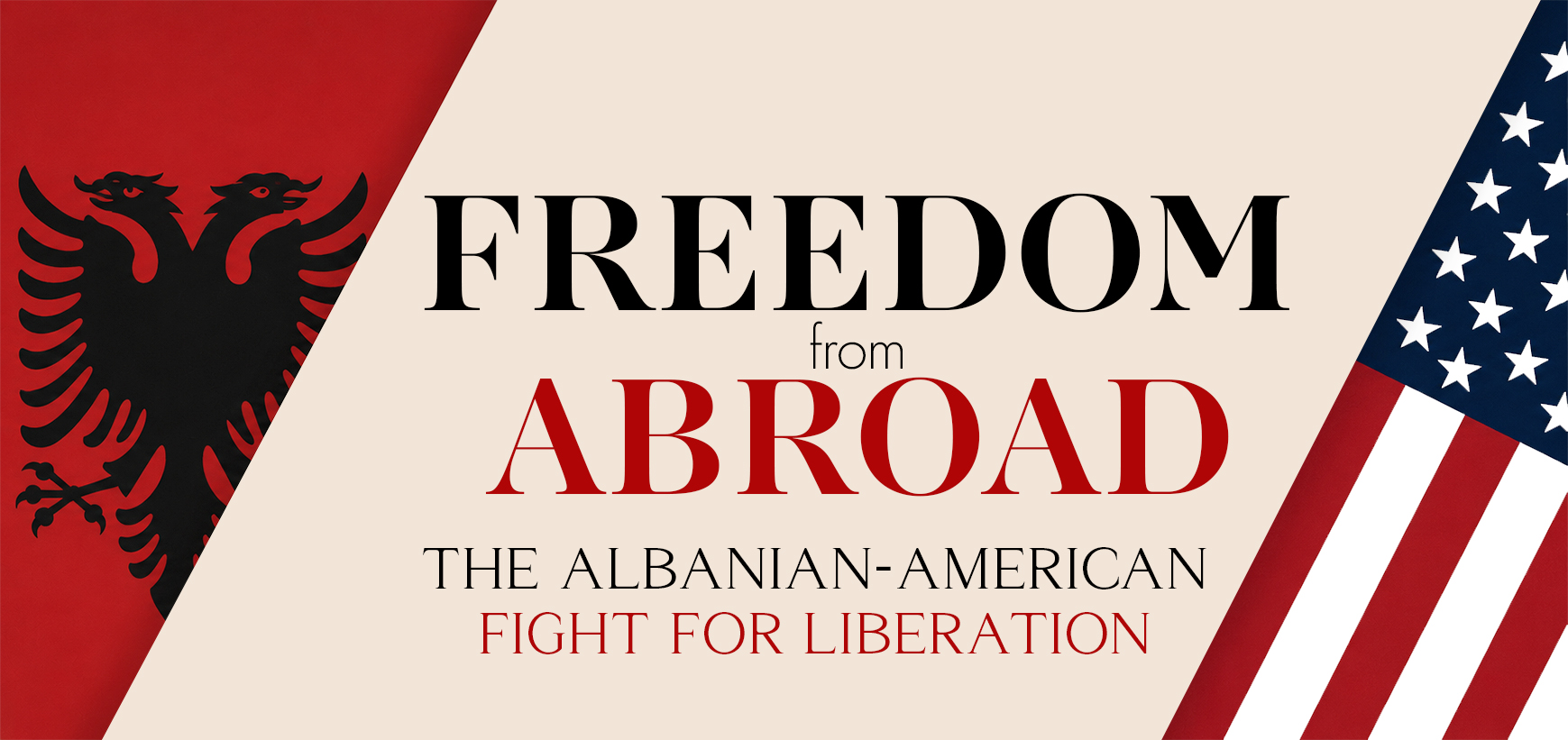
For many years, the Albanian diaspora in America was actively involved in creating political awareness and garnering support from around the world regarding issues in the Balkan region. From immigrant organizations to lobby groups in America, the community has been known to be an advocate of democracy and human rights in countries such as Albania and Kosovo.
The case discussed above is one of the many presented at Insights Kolekr, which reveals the potential immigrants have in affecting international politics while maintaining their culture.
The History of Albanian Immigration to America
1. Early Albanian Communities in the United States
The first large groups of immigrants from Albania came to the United States at the end of the nineteenth century and the beginning of the twentieth century. They settled in cities like Boston, New York, Detroit, and Chicago, where they had employment opportunities. Early settlers created their own associations, cultural societies, and even churches.
The main aim of early Albanian immigrants was to maintain their culture, language, and nationality by adjusting themselves to the American environment. Community newspapers kept immigrants informed about political events in the Balkans.
2. Why Albanians Migrated to America
Political instability, economic hardship, followed by regional conflicts forced many Albanians to migrate to America. A few left the Balkans to escape Ottoman rule, however, others fled communist regimes or ethnic stress during the twentieth century.
The renowned Kosovo conflict in the 1990s led to another major wave of migration. Families sought asylum in America, but remained attached to their native homeland spiritually.
3. The Growth of Albanian-American Identity
Over a period of time, Albanian immigrants developed a sturdy dual identity. They adopted American democratic values while maintaining close cultural ties to Albania and Kosovo. This combination became the stepping stone for Albanian-American activism and political engagement.
How the Albanian Diaspora Supported Freedom Movements
1. Political Activism Among Albanian-Americans
One of the characteristics of the Albanian community in America was that of political activism. The Albanian-American community engaged in protests, campaigns, and lobbying in order to highlight the concerns faced by Albanians in the Balkans.
The community’s leaders used to meet with Congressmen and other government officials to explain the political problems being faced by the Albanians in Kosovo, especially in the 1990s.
2. Fundraising and Community Mobilization Efforts
Fundraising campaigns were important to Albanian diaspora activism. Community organizations gathered donations to support humanitarian relief, refugee assistance, and political advocacy efforts.
Many Albanian-Americans made financial contributions towards aid programs that assisted the displaced citizens when there were conflicts. Charity functions, cultural festivals, and fundraising dinners were common among Albanian communities in the United States.
3. The Role of Albanian Organizations in America
Organizations launched by Albanian-Americans helped harmonize lobbying efforts and community engagement. These particular groups encouraged Albanian culture at the same time advocating for political recognition and human rights in the Balkans.
Religion, civic organizations, and students cooperated in keeping Albanian national questions relevant in American politics.
The Albanian-American Lobby and the US Government
1. How Did the Lobbying Efforts of Albanian-Americans Affect US Policy
The Albanian-American lobby gained influence due to its contacts with American politicians and policymakers. They set up appointments in Washington, sent letters to government officials, and campaigned during political events.
They managed to obtain the sympathy of American leaders by presenting issues regarding Albania’s citizens as matters of human rights violations.
2. Lobbying for Kosovo and Protecting Albanians in the Balkans
Some of the best successes achieved by the Albanian-American lobby in the United States were in terms of Kosovo’s case in the 1990s. The Albanian-American lobby asked for international intervention to halt the violence and protect the civilians.
Advocacy efforts related to securing greater support for the independence of Kosovo and humanitarian aid during the Kosovo conflict.
3. Important Personalities and Campaigns
Many Albanian-American activists, scholars, and community leaders turned out to be influential personalities at the time of the Kosovo conflict. They appeared in media interviews, arranged demonstrations, and collaborated with international human rights institutions.
Advocacy campaigns emphasized increasing public understanding of ethnic conflict, refugee displacement, and the urge for international diplomatic stress.
The Kosovo War and Diaspora Mobilization
1. How Albanian-Americans Responded During the Kosovo Conflict
It is one of the most crucial times for the Albanian-Americans activism. They immediately began to organize themselves throughout the country to support the refugees and increase international awareness.
Thousands of individuals took part in demonstrations, asking for increased international intervention against the violence in Kosovo.
2. Media Campaigns and International Awareness Efforts
Media engagement became a very important method employed by Albanians diaspora in America. The Albanian-American activists used media personnel in news channels and newspapers to relay events happening in Kosovo.
This was instrumental in shaping international public opinion, which led to international institutions being forced to take action.
3. Humanitarian Aid and Refugee Support Initiatives
Humanitarian aid was yet another major contribution from Albanian-American communities. Fundraising campaigns helped with refugee shelters, food distribution, media supplies, and relocation programs.
A number of Albanian-Americans privately supported members of their families who came to the United States in search of safety.
Influence of the Media, Religion, and Civic Organizations on Lobbying Activities
1. Albanian Newspapers and Radio in America
Albanian-language newspapers and radio broadcasts helped connect diaspora groups together and distribute political information. These unique media forms promoted civic engagement and encouraged Albanian cultural identification in a foreign environment.
2. Role of Religion and Cultural Institutions
Churches, mosques, and religious centres could serve as places for discussing political affairs and arranging community relief missions.
At the time of any kind of crisis, religious figures would call for unity and engage themselves in relief operations.
3. Events Celebrating the Albanian Culture and Promoting Ethnic Unity
Festivals, celebrating independence day, and other cultural events ensured younger generations would remember their roots. These specific events fortified community solidarity and national pride.
Challenges Faced by Albanian Activists in America
1. Political Opposition and Diplomatic Challenges
However, not all lobby actions produced immediate results. In many instances, the Albanians in the US would find themselves encountering political resistance, a lack of media coverage, and diplomatic issues in regard to Balkan affairs.
2. Struggling to Balance American Living with Balkan Politics
A lot of Albanian-Americans found themselves struggling to combine living in America and engaging politically with regard to events in the Balkans.
3. Struggles to Maintain International Attention
In the wake of conflict falling off the international radar screen, activists remained dedicated to keeping interest alive in Kosovo and Albania.
How Albanian-American Activism Shaped Modern Balkan History
1. The Impact on Kosovo’s Independence Movement
The integral efforts of Albanian-Americans played an essential role in developing international support for Kosovo’s independence movement. Diaspora lobbying helped keep Kosovo visible within American foreign policy discussions.
2. Strengthening Albanian National Awareness Globally
Albanian diaspora activism further strengthened global awareness of Albanian culture, history, as well as political identity beyond the Balkans.
3. The Legacy of Albanian-American Political Advocacy
In the present scenario, Albanian-American lobbying continues to be an illustration of how immigrant communities can influence international politics via organized advocacy and civic participation.
How Albanian-Americans Continue Supporting Their Homeland Today
1. Business Investments and Economic Support
Present-day Albanian-Americans continue to invest in Albania and Kosovo through entrepreneurial activities and philanthropic endeavors.
2. Language and Culture Preservation by the Younger Generation
Second- and third-generation Albanian-Americans play an active role in preserving their language, music, culture, and traditions through educational institutions.
3. Future of the Influence of the Albanian Diaspora
In light of the role played by global migrations in shaping modern society, it is safe to assume that Albanian-Americans will continue being significant both in American politics and in the politics of the Balkans.
Conclusion
1. Why Does Albanian-American Lobby Matter?
The case of the Albanian-American lobby shows that diaspora organizations have great potential in influencing political debates and fighting for human rights.
2. Lasting Connections Between America and Albania
The relationship between America and Albania remains enduring through cultural exchange, political relations, and diaspora relations. Through political activism, human rights support, and advocacy work, Albanian-Americans were able to leave an enduring impact on Balkan history.
Insight Kolekr provides constant information in stories which explain the effects of migration and political movements to make our world the way it is today.